
Discover the Costa Rica Lifestyle
Is the Costa Rica Lifestyle Right for You?
Short answer: For many people, yes. The Costa Rica lifestyle offers a unique combination of natural beauty, political stability, outdoor living, excellent healthcare, and welcoming communities. Whether you’re planning to retire, relocate, invest in property, or purchase a vacation home, Costa Rica consistently ranks among the world’s most desirable destinations.
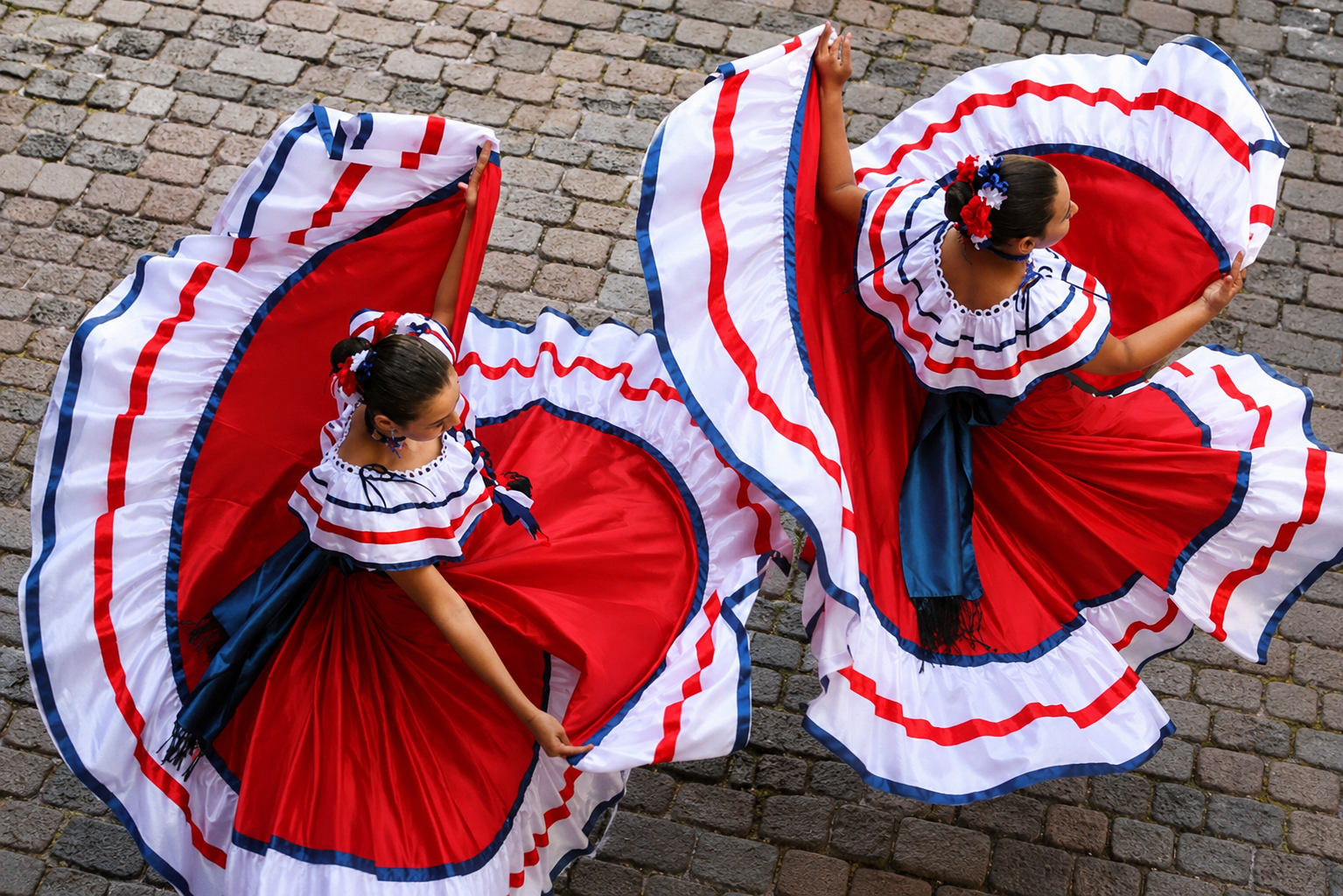
Unlike many tropical destinations, Costa Rica combines modern conveniences with an extraordinary commitment to environmental conservation. More than a quarter of the country’s land is protected, creating an unmatched balance between development and nature. This allows residents to enjoy pristine beaches, lush rainforests, mountain retreats, and vibrant towns while maintaining a high quality of life.
This guide explains what it’s really like to live in Costa Rica, what to expect before moving, and how to determine whether this remarkable country matches your lifestyle goals.
Why Do So Many People Choose the Costa Rica Lifestyle?
Short answer: People move to Costa Rica for its balance of lifestyle, nature, stability, and opportunity.
Every year, thousands of people from North America, Europe, and around the world choose Costa Rica for reasons that extend far beyond beautiful beaches.
Many are looking for:
- A slower, healthier pace of life
- Year-round warm weather
- Outdoor recreation
- Retirement opportunities
- Investment properties
- Vacation homes
- Political stability
- Strong environmental values
- Friendly local communities
The country’s famous philosophy of “Pura Vida” is more than a slogan. It reflects an optimistic approach to life that emphasizes relationships, health, gratitude, and enjoying the present moment.
Where Is Costa Rica Located?
Quick Answer: Costa Rica is located in Central America between Nicaragua and Panama, with coastlines on both the Pacific Ocean and the Caribbean Sea.
| Feature | Details |
|---|---|
| Region | Central America |
| Northern Border | Nicaragua |
| Southern Border | Panama |
| Pacific Coast | Over 1,000 km |
| Caribbean Coast | Over 200 km |
| Size | Approximately 51,100 km² (similar to West Virginia) |
| Time Zone | Central Standard Time (UTC-6) |
Despite its relatively small size, Costa Rica offers an incredible variety of landscapes that can change dramatically within a few hours of driving.
What Is the Climate Like in Costa Rica?
Short answer: Costa Rica has tropical weather, but temperatures vary by elevation and region rather than by season alone.
Instead of four traditional seasons, Costa Rica generally experiences:
Dry Season (December to April)
The Pacific regions enjoy sunny days, low humidity, and ideal beach weather. This is also the busiest travel season.
Green Season (May to November)
Rain typically falls during the afternoon or evening, while mornings often remain sunny. During this season, forests become exceptionally lush, rivers fill, and landscapes are at their most vibrant.
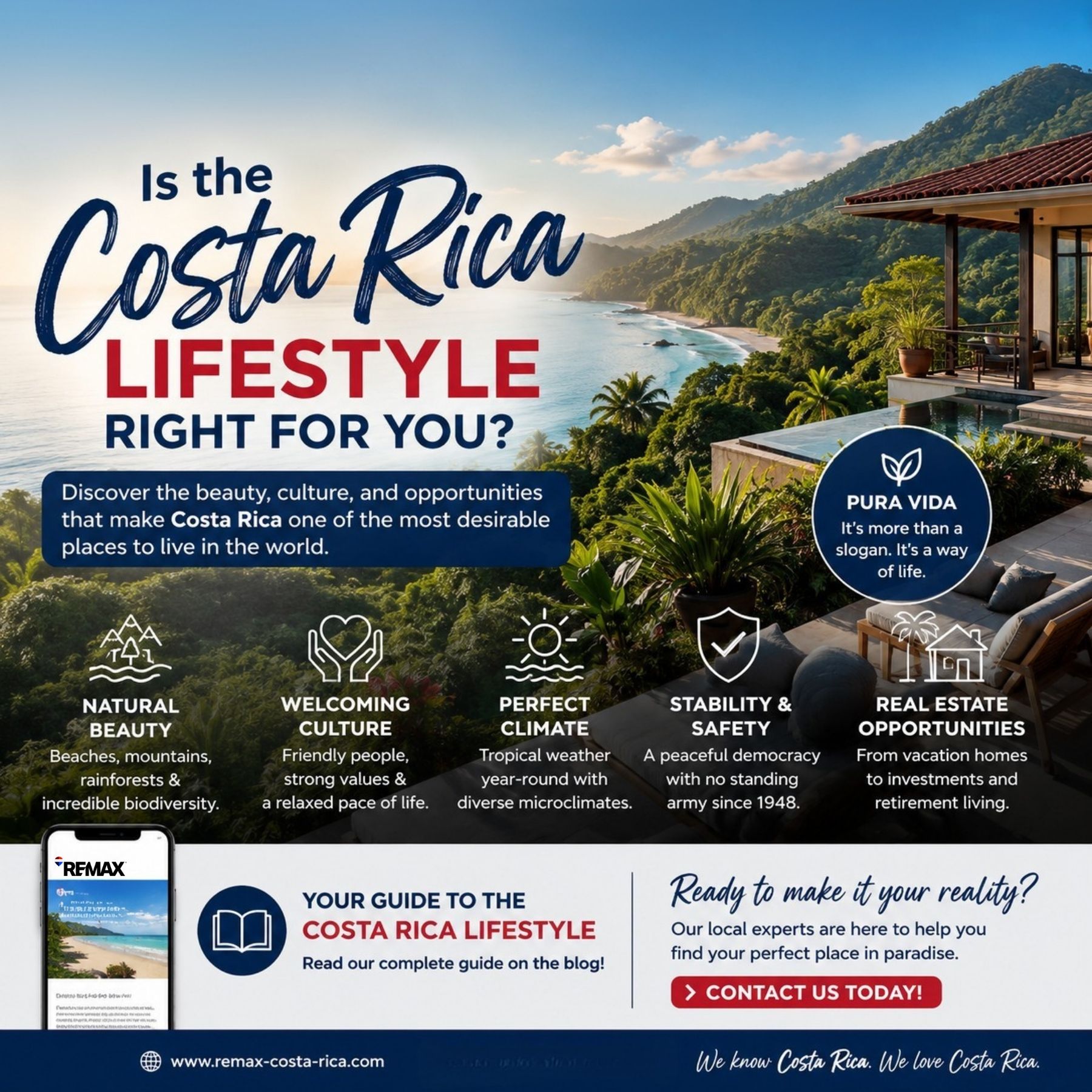
Microclimates
One of Costa Rica’s greatest advantages is its remarkable diversity of climates.
You can choose from:
- Cool mountain towns
- Mild Central Valley communities
- Tropical rainforest
- Cloud forests
- Beachfront living
- Dry tropical forests
- Caribbean coastal environments
This variety allows buyers to select a region that best fits their preferred lifestyle.
What Makes Costa Rica One of the World’s Most Biodiverse Countries?
Short answer: Costa Rica protects approximately 25 to 30 percent of its land through national parks, wildlife refuges, and protected reserves.
Although Costa Rica occupies less than 0.05% of Earth’s landmass, it contains an estimated 5% of the planet’s biodiversity.
Residents regularly encounter:
- Scarlet macaws
- Sloths
- Monkeys
- Toucans
- Sea turtles
- Dolphins
- Humpback whales (seasonally)
- Hundreds of orchid species
Nature becomes part of everyday life rather than something reserved for occasional vacations.
What Is Costa Rican Culture Like?
Short answer: Costa Rican culture emphasizes family, community, education, respect, and environmental stewardship.
Costa Ricans, affectionately known as Ticos, are widely recognized for their hospitality and friendliness.
Core cultural values include:
- Family first
- Respect for nature
- Education
- Democracy
- Community involvement
- Peaceful living
- Work-life balance
While Spanish is the official language, English is commonly spoken in many tourism centers, coastal communities, and international business areas.
Is Costa Rica a Stable Country?
Short answer: Yes. Costa Rica is widely recognized as one of Latin America’s most stable democracies.
The country became independent in 1821 and adopted its current constitution in 1949.
Some defining characteristics include:
- Regular democratic elections
- Independent branches of government
- Strong legal institutions
- No standing military since 1948
- Significant investment in healthcare and education
This long history of political stability has contributed to Costa Rica’s appeal among international property buyers and investors.
Why Is Costa Rica Considered One of the Happiest Places to Live?
Several factors contribute to Costa Rica’s international reputation for quality of life.
These include:
- Outdoor living year-round
- Strong social connections
- Access to nature
- Healthy local food
- Active lifestyles
- Lower stress levels
- Community-oriented neighborhoods
The Nicoya Peninsula is also recognized as one of the world’s renowned Blue Zones, regions where residents commonly enjoy exceptional longevity and healthy aging.
Is Costa Rica Good for Retirement?
Short answer: Costa Rica remains one of the world’s most popular retirement destinations.
Many retirees appreciate:
- Warm climate
- Modern private healthcare
- Diverse housing options
- Established expat communities
- Outdoor recreation
- Lower maintenance lifestyles
- Easy access from North America
Retirees can choose from beach communities, mountain towns, lakeside properties, or vibrant urban neighborhoods depending on their preferences.
Is Costa Rica a Good Place to Invest in Real Estate?
Short answer: Many buyers purchase Costa Rica real estate for lifestyle first and investment second.
Popular property types include:
- Beachfront homes
- Luxury villas
- Condominiums
- Mountain retreats
- Investment rentals
- Development land
- Retirement residences
Costa Rica’s ongoing tourism industry and international demand continue to attract buyers seeking long-term lifestyle and investment opportunities.
Before purchasing, buyers should work with experienced real estate professionals and qualified legal counsel who understand Costa Rica’s property laws, due diligence process, escrow procedures, and title verification requirements.
What Should You Know Before Moving to Costa Rica?
Moving to Costa Rica is exciting, but preparation makes the transition smoother.
Consider researching:
- Residency options
- Healthcare choices
- Banking
- Property ownership
- Tax considerations
- Internet availability
- School options
- Transportation
- Regional climate differences
Most importantly, spend time exploring several areas before deciding where to purchase property. Each region offers a unique lifestyle, community, and pace of life.
Best Places to Experience the Costa Rica Lifestyle
Every region offers something different.
| Lifestyle | Popular Areas |
| Beach Living | Guanacaste, Central Pacific, Southern Pacific |
| Mountain Climate | Central Valley, Atenas, Grecia |
| Luxury Living | Papagayo, Escazú, Santa Ana |
| Nature Lovers | Osa Peninsula, Monteverde, Arenal |
| Surf Communities | Tamarindo, Santa Teresa, Dominical |
| Family Living | Heredia, Alajuela, Escazú |
The best location depends on your priorities, budget, desired climate, and lifestyle goals.
Frequently Asked Questions
Is Costa Rica safe for foreigners?
Costa Rica is considered one of the safest countries in Central America. Like any destination, it’s important to use common sense and understand the characteristics of each community before choosing where to live.
Can foreigners buy property in Costa Rica?
Yes. In most cases, foreigners enjoy the same property ownership rights as Costa Rican citizens for fully titled property. Certain concession properties along portions of the maritime zone have different ownership rules and require additional legal guidance.
Do I need to speak Spanish?
No, although learning Spanish greatly enhances your experience. English is widely spoken in many tourist destinations, expat communities, and business environments.
Is healthcare good in Costa Rica?
Costa Rica offers both public and private healthcare systems. Many international residents choose private healthcare because of its affordability, quality, and shorter wait times.
Is the Costa Rica lifestyle expensive?
The cost of living varies considerably by region and lifestyle. Luxury beachfront communities generally cost more than inland towns, while many residents comfortably tailor their expenses to fit their budgets.

Our REMAX Costa Rica certified team is standing by to help make your dream lifestyle a reality. Contact us for more information on the different areas and real estate option throughout the country.
How does the climate vary between different regions of Costa Rica?
Living in Costa Rica offers a relaxed lifestyle shaped by warm weather, natural beauty, outdoor activities, and the country’s well-known “Pura Vida” culture. Daily life can vary considerably depending on where you choose to live. Coastal communities, mountain towns, the Central Valley, and more rural areas each offer different climates, amenities, and lifestyles. For anyone considering a move, spending time in several regions can help identify which environment feels right.
The Costa Rica lifestyle appeals to international residents for many reasons, including its tropical setting, biodiversity, outdoor recreation, welcoming culture, and range of communities. The country also attracts retirees, vacation-home buyers, investors, and people looking for a different pace of life. Because Costa Rica offers everything from beach communities to cooler mountain areas, prospective residents can explore several lifestyle options within one country.
Costa Rica has numerous microclimates, so weather conditions can change significantly from one region to another. Coastal areas generally offer warmer tropical conditions, while higher-elevation communities can have cooler temperatures. Rainfall also varies by region and season. As a result, buyers should consider more than Costa Rica’s overall climate when deciding where to live. Visiting different areas can provide a much clearer understanding of local weather conditions.
There is no single Costa Rica location that suits everyone. Beach communities may appeal to people looking for ocean access and a tropical lifestyle, while mountain and Central Valley communities can offer cooler temperatures. Other buyers may prefer quieter rural environments or areas with convenient access to services and amenities. Exploring several regions before choosing a home can help you compare climate, community, activities, amenities, and overall pace of life.
Costa Rica has become an appealing destination for people considering retirement abroad. Its climate, natural surroundings, lifestyle choices, and variety of communities give retirees several options to explore. The country also provides opportunities for foreign buyers interested in property ownership. However, choosing the right location and property should be based on your personal goals, preferred lifestyle, budget, and long-term plans rather than Costa Rica’s general appeal alone.
Before moving to Costa Rica, research the regions that interest you and compare factors such as climate, lifestyle, amenities, accessibility, community, and living costs. It can also be valuable to spend time in several locations before making a property decision. Costa Rica is geographically diverse, so experiencing an area firsthand can reveal important differences that may not be obvious when researching your move online.
The cost of living in Costa Rica can vary depending on location and lifestyle. For example, popular luxury and beachfront communities may have different living costs than smaller inland towns. Housing preferences and individual lifestyle choices can also affect overall expenses. The article does not provide detailed regional budgets or specific monthly living costs, so buyers should research current expenses in the particular communities they are considering before making financial decisions.
Yes. Foreigners can own property in Costa Rica, and property ownership is one reason the country attracts international buyers, retirees, and investors. However, prospective buyers should understand the type of property they are considering and the purchasing process before proceeding. Working with experienced local professionals can help buyers understand the steps involved and make informed decisions about property ownership in Costa Rica.
Costa Rica attracts people interested in vacation homes and real estate investment as well as permanent relocation. Its tourism appeal, natural environment, diverse regions, and range of property types create different opportunities depending on a buyer’s goals. However, a property that works well as a personal vacation home may not necessarily meet the same requirements as an investment property. Buyers should first define how they intend to use the property and then evaluate locations accordingly.
Yes. Exploring different regions is an important part of deciding where to live in Costa Rica because communities can differ significantly in climate, lifestyle, amenities, surroundings, and pace of life. Spending time in several areas allows you to compare those differences firsthand. Rather than choosing a location based only on online research, experiencing different communities can help you determine which part of Costa Rica best fits your lifestyle and property goals.
